Mastering the Core Vocabulary: Partes De La Cara En Ingles
Embarking on the journey of learning a new language, especially English, inevitably leads you to the fundamental building blocks: basic vocabulary. Among the most essential are the words that describe the human body, and perhaps none are as frequently used as the partes de la cara en ingles – the English names for face parts. Whether you're describing someone, discussing beauty products, or even expressing emotions, these terms are indispensable. Let's dive into the essential vocabulary that will equip you to speak more confidently and understand more deeply.
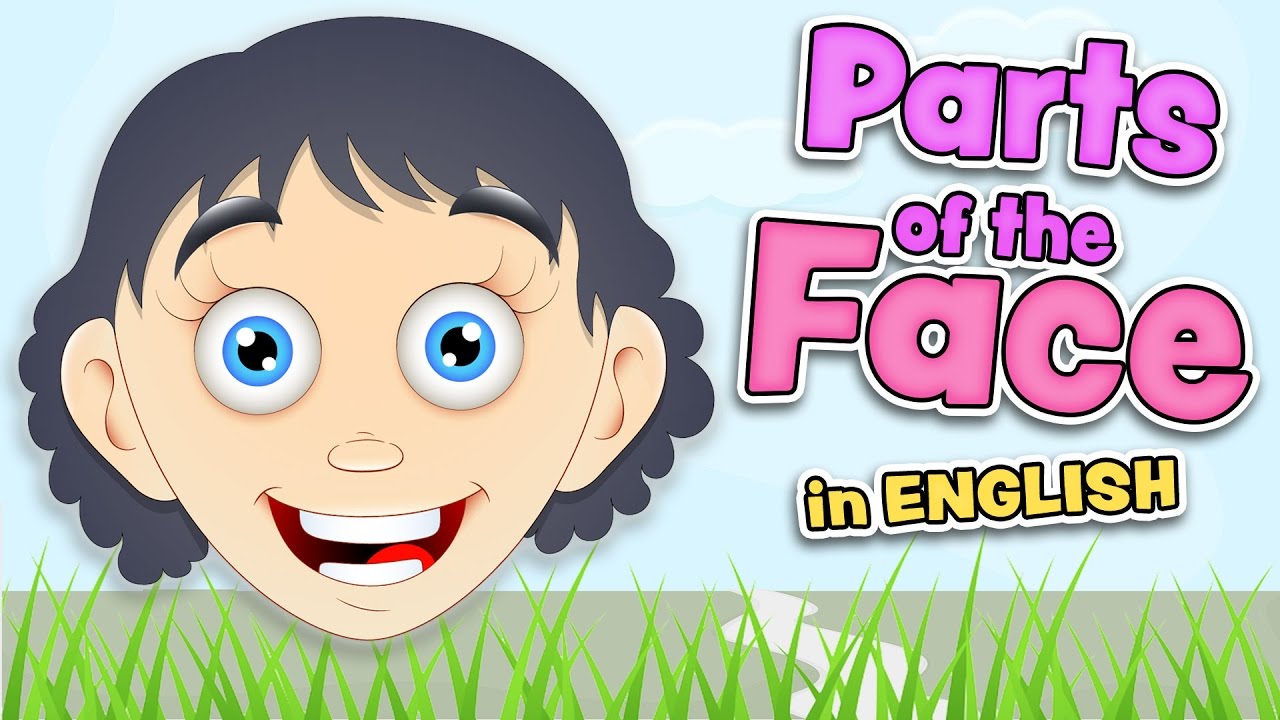
Here’s a comprehensive list of face parts, designed to help you build your foundational English vocabulary:
- Face (cara): The entire front part of the head, from the forehead to the chin. This is your canvas for expression!
- Hair (pelo/cabello): The strands growing from the top of your head. English allows for descriptive adjectives like long, short, curly, straight, blonde, brown, black, red.
- Forehead (frente): The part of the face above the eyebrows and below the hairline.
- Eyebrow / Eyebrows (ceja / cejas): The strip of hair growing above each eye. They play a significant role in facial expressions.
- Eyelash / Eyelashes (pestaña / pestañas): The tiny hairs growing along the edge of your eyelids.
- Eye / Eyes (ojo / ojos): The organs of sight. We use them for seeing, and they are often described by their color (blue, green, brown) or size (big, small).
- Nose (nariz): The part of the face used for smelling and breathing. It can be small, large, pointed, button.
- Cheek / Cheeks (mejilla / mejillas): The fleshy parts on either side of the face below the eyes. People might have rosy cheeks or chubby cheeks.
- Cheekbone / Cheekbones (pómulo / pómulos): The bones forming the prominent part of the cheek below the eye. Often associated with facial structure and beauty.
- Mouth (boca): The opening in the lower part of the face, used for speaking, eating, and breathing.
- Lip / Lips (labio / labios): The two fleshy folds that form the opening of the mouth. They can be full, thin, red, pale.
- Tooth / Teeth (diente / dientes): The hard, white structures in the mouth used for biting and chewing.
- Tongue (lengua): The muscular organ in the mouth, used for tasting, licking, and articulating speech.
- Chin (barbilla): The prominent part of the face below the lower lip.
- Jaw (mandíbula): The bony framework that forms the structure of the mouth and holds the teeth. A strong jawline is a common descriptive phrase.
- Ear / Ears (oreja / orejas): The organs on either side of the head, used for hearing.
- Neck (cuello): While not strictly a part of the face, the neck is inextricably linked to the head and face, connecting them to the rest of the body. It's often included in descriptions of the facial region.
Understanding these terms for partes de la cara en ingles is your first step towards more detailed descriptions and better comprehension in English.
Beyond the Basics: Practical Applications of Face Part Vocabulary
Knowing the names of face parts is just the beginning. The real value comes from applying this vocabulary in everyday scenarios. From describing individuals to understanding health and beauty product labels, these words are constantly in use.
Describing People and Self-Expression
One of the most common uses for this vocabulary is to describe someone's appearance. Think about how you'd describe a friend, a character in a book, or even yourself:
- "My sister has a round face with beautiful, almond-shaped eyes and a small, button nose."
- "He's easily recognizable by his thick, bushy eyebrows and a distinctive scar on his chin."
- "She always has perfectly shaped eyebrows and glossy lips."
- "With his strong jawline and prominent cheekbones, he has a very striking appearance."
Practicing these descriptions by observing people around you or looking at photos can significantly boost your confidence and fluency when talking about partes de la cara en ingles.
Health, Beauty, and Everyday Situations
The vocabulary for face parts extends far beyond simple descriptions. It's vital in several practical domains:
- Beauty Products: Walk into any pharmacy or beauty store, and you'll see labels like "face cream," "lip balm," "eye shadow," "hair conditioner," "eyelash serum," and "forehead wrinkle cream." Knowing these terms helps you navigate product choices.
- Medical Contexts: When discussing health, these words are crucial. Think of "headache," "toothache," "ear infection," or needing stitches on your cheek. Doctors and nurses will use these terms regularly.
- Daily Interactions: Simple actions like "washing your face," "combing your hair," "brushing your teeth," or "whispering in someone's ear" are all part of everyday English conversations.
By integrating these terms into your daily thought process, you'll find them becoming a natural part of your English vocabulary.
Unlocking Idiomatic Expressions: Speak Like a Native
Learning individual words for partes de la cara en ingles is a fantastic start, but to truly sound like a native speaker, you must delve into idiomatic expressions. Idioms are phrases whose meaning isn't obvious from the individual words, making them challenging but incredibly rewarding to learn. They add color, nuance, and authenticity to your speech. For an even deeper dive into this fascinating topic, check out our article on Speak Like a Native: English Idioms Using Face Parts.
Here are some popular English idioms that cleverly use face parts:
- Face to face: To meet in person, in direct confrontation or encounter. "We finally discussed the issue face to face."
- To keep your hair on: An informal way to tell someone to calm down and not get angry. "Don't worry, we'll fix it! Just keep your hair on."
- To keep an eye on something: To watch something carefully or be responsible for it. "Could you keep an eye on my bag while I grab a coffee?"
- To have your heart in your mouth: To feel extremely nervous or anxious about something. "My heart was in my mouth as I waited for the test results."
- To keep a straight face: To manage to remain serious and not laugh, even when something is very funny. "It was so hard to keep a straight face during the absurd presentation."
- To be all ears: To be listening very attentively and eagerly. "Tell me what happened! I'm all ears."
- To bite your lip or your tongue: To stop yourself from saying something, often to avoid offending someone or to control an impulse. "I had to bite my tongue to stop myself from criticizing his terrible idea."
- To follow your nose: To follow your intuition, or literally, to go straight ahead. "I didn't have a map, so I just followed my nose until I found the museum."
- To be a pain in the neck: An informal expression used to describe someone or something that is very annoying or troublesome. "My old car is a real pain in the neck; it's always breaking down."
- To get kicked in the teeth: To suffer a severe setback, be treated very badly, or experience a harsh disappointment. "After working so hard, getting rejected felt like a real kick in the teeth."
- By word of mouth: Information transmitted informally from person to person; spread by talking. "Most of our customers come to us by word of mouth."
- Bad hair day: An informal, often humorous, phrase to describe a day when things are generally going wrong, not just about your hair. "I woke up late, spilled my coffee, and missed my bus – definitely a bad hair day!"
- To have eagle eyes: To be very observant and notice small details easily. "Our security guard has eagle eyes; nothing gets past him."
Incorporating these expressions will not only make your English sound more natural but also allow you to communicate more nuanced meanings.
Tips for Effective Learning and Practice
Learning the partes de la cara en ingles and their associated idioms doesn't have to be a chore. With a few effective strategies, you can quickly integrate them into your active vocabulary:
- Visual Learning: Label a picture of a face with all the English terms. Better yet, label your own face (mentally, of course!) as you look in a mirror.
- Contextual Practice: Try describing your family members or characters in movies using the new vocabulary. Focus on adjectives like oval, square, long, narrow for face shapes, and piercing, sparkling, deep-set for eyes.
- Flashcards & Apps: Use digital flashcard apps like Anki or Quizlet to create custom sets for face parts and their definitions or example sentences.
- Listen Actively: Pay attention to how native speakers use these words in films, TV shows, and podcasts. Notice the adjectives they pair with each face part.
- Idiom Immersion: When you learn an idiom, try to use it in a few different sentences. Don't just memorize the meaning; understand its context and connotation. Keep an eye out for more practical examples and comprehensive lists by checking out our resource on English Face Vocabulary: Words, Idioms, & Practical Examples.
- Role-Playing: Practice describing people or talking about situations that require these terms with a language partner.
Conclusion
Mastering the partes de la cara en ingles is an indispensable step in your English language learning journey. It provides the foundation for clear communication, from simple descriptions to understanding complex medical or beauty-related information. More importantly, by embracing the rich world of idioms and expressions that use these face parts, you unlock a deeper level of fluency, allowing you to connect with English speakers on a more authentic and natural level. Keep practicing, keep observing, and soon you'll be expressing yourself with the confidence of a native speaker.